
Pads
What SHE Likes
Comfortable for long wear
Absorbs quickly without leaking
Breathable backing
Good for sensitive skin
Reliable overnight protection
⚠ Things to Know
Can feel bulky under tight clothes
May contain plastics or chemicals
Not ideal for swimming or high-movement days
Some brands still use fragrance or chlorine bleaching
🚫 Who It’s Not For
Those with severe skin sensitivities
Anyone wanting zero-waste options
People who experience irritation from synthetic materials
SHE Tip
If you experience itching, burning, or unusual discharge while using pads, look for fragrance-free, organic cotton options and avoid chlorine-bleached products.
⭐ SHE Rating
Comfort ★★★★☆
Absorbency ★★★★☆
Skin-friendliness ★★★☆☆
Eco impact ★★☆☆☆
What Are Pads?
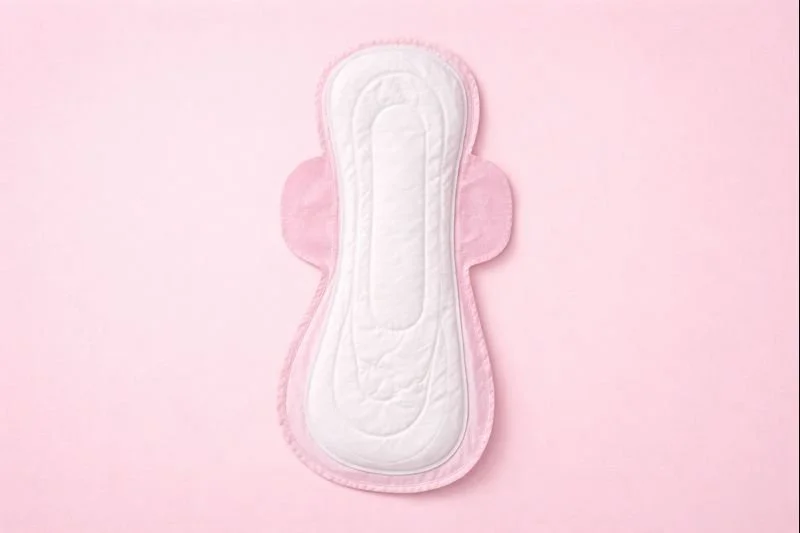
Sanitary pads are absorbent products worn inside your underwear to soak up menstrual blood during your period. They sit outside the body, making them one of the most commonly used and beginner-friendly period products.
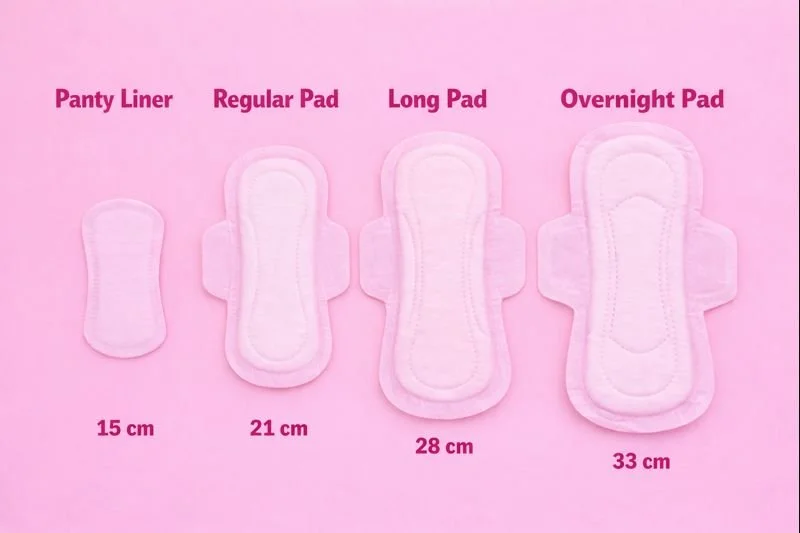
Pads come in many shapes and sizes, from thin daily liners to thick overnight protection, designed to suit different flow levels and lifestyles.
But pads are more than just something you “stick on and forget about”. What they are made from, how they’re designed, and how long you wear them can all affect your comfort, your skin, and even your vaginal health.
What Are Pads Made Of?
Most pads are made from a mix of:
Absorbent core – pulls liquid away from your body
Top layer – the part that touches your skin
Backing layer – stops leaks through your underwear
Adhesive strip – keeps the pad in place
Some pads are made from organic cotton or bamboo, while others use synthetic materials and plastics. Many mainstream pads are still chlorine-bleached or contain fragrances, even though your vulva is one of the most absorbent areas of your body.
Why Pads Feel So Different
Not all pads feel the same because:
Thickness affects how bulky or breathable they feel
Plastic backings trap heat and moisture
Fragrances and chemicals can irritate sensitive skin
Absorbency varies between brands
If you’ve ever felt itchy, sore, or uncomfortable while using pads, it’s not in your head, your body may simply not tolerate certain materials.
How Pads Should Be Used
Pads should ideally be changed every 3–4 hours, even if they don’t look full. Blood sitting against the skin creates warmth and moisture, which can lead to irritation, infections, or odour.
SHE Takeaway
Pads are easy, familiar, and widely available, but the right pad can make the difference between feeling supported and feeling uncomfortable all day.
Your period product should work with your body, not against it.